Understanding AI Photo Editors
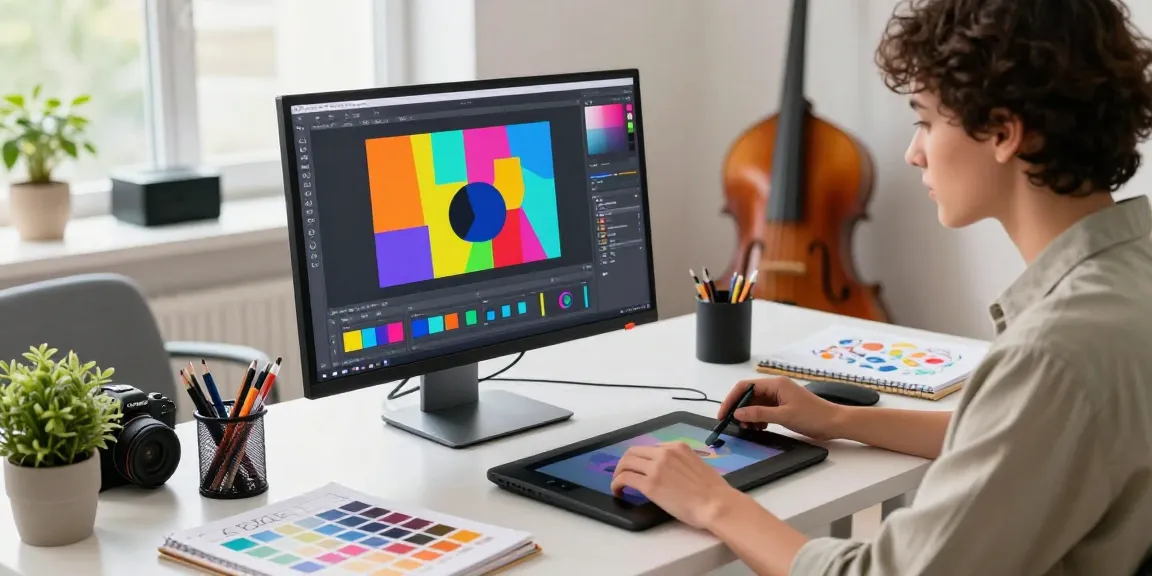
In today's digital landscape, the role of technology in creativity is more prominent than ever. With the rise of AI photo editors, artists, marketers, and casual users alike are experiencing transformative changes in how they create and enhance visual content. These tools leverage artificial intelligence to streamline the editing process, offering innovative features that were once the domain of professional designers. When exploring options, ai photo editor solutions can significantly improve your workflow and output quality.
What is an AI Photo Editor?
An AI photo editor is a software application that utilizes artificial intelligence algorithms to enhance, manipulate, or create digital images. Unlike traditional photo editing software, which relies heavily on user input and technical skills, AI photo editors can automatically adjust image elements based on learned patterns and intelligent predictions. This technology can analyze the content of an image and make suggestions or automatic corrections, making photo editing more accessible to everyone, regardless of their skill level.
Key Features of Modern AI Photo Editors
- Automated Enhancements: Many AI photo editors can automatically improve exposure, contrast, and color balance.
- Object Recognition: Advanced algorithms can identify objects and scenes, allowing for targeted adjustments.
- Style Transfer: Users can apply artistic effects by mimicking the styles of famous paintings or photographs.
- Background Removal: AI tools can isolate subjects and remove backgrounds with ease.
- Smart Filters: These filters adapt to the specific image content, enhancing details while preserving natural looks.
Benefits of Using AI Photo Editors for Creatives
AI photo editors offer numerous advantages for creatives across various sectors. They save time, allowing artists to focus on innovation rather than mundane editing tasks. Additionally, the algorithms behind these tools can enhance creativity by suggesting features and effects that users might not have considered. This can lead to the development of unique styles and more dynamic visual content.
Challenges in AI Photo Editing
Common Misconceptions About AI Technology
Despite the growing popularity of AI photo editors, several misconceptions persist. One common myth is that AI tools will replace human creativity. In reality, these tools serve to augment human abilities, providing assistance with mundane tasks while allowing users to maintain control over their creative vision. Understanding the true role of AI can help users leverage these tools effectively.
Limitations of Current AI Photo Editing Tools
While AI photo editors bring remarkable capabilities, they are not without limitations. For instance, they may struggle with complex edits that require nuanced understanding or context, such as emotional expression in portrait retouching. Additionally, the quality of AI-generated edits can vary based on the algorithm's training data, which means that results can be unpredictable in some cases.
Addressing User Pain Points in AI Photo Editing
One of the most significant challenges in AI photo editing is ensuring that users feel comfortable with the technology. Many users may fear that automated tools will lead to a lack of originality. To address this concern, it's essential to provide educational resources that demonstrate how to use AI tools to enhance, rather than replace, personal creativity.
Best Practices for AI Photo Editing
Techniques for Effective Image Enhancement
To maximize the potential of AI photo editors, users should familiarize themselves with effective enhancement techniques. Start by experimenting with different automated features, but always evaluate outcomes manually. Understanding the adjustments made by the AI can help you develop a more refined and personalized editing style.
Streamlining Your Workflow with AI Tools
Integrating AI photo editors into your workflow can significantly enhance efficiency. Consider establishing a routine where you first use AI tools for initial edits and then follow up with traditional techniques for finer adjustments. This hybrid approach can blend speed and quality, letting you achieve professional results in much less time.
Combining Traditional and AI Editing Methods
Blending traditional photo editing methods with AI capabilities can yield remarkable results. For example, using conventional techniques for precise detail work and AI tools for broader edits can be a winning strategy. This combination allows you to leverage the strengths of both approaches, producing visually striking images.
Real-World Applications of AI Photo Editors
Case Studies of Successful AI Photo Editing Projects
Numerous companies and individuals have successfully utilized AI photo editors to revolutionize their visual content. For instance, a leading fashion brand implemented AI tools to enhance their product photography, resulting in a 30% increase in online sales. By streamlining the editing process and improving image quality, they attracted more customers and improved their branding.
Industry Use Cases: From Marketing to Art
AI photo editing technology spans across various industries. In marketing, businesses can create eye-catching visual advertisements quickly, while photographers can enhance their portfolios with less effort. Artists are increasingly adopting AI tools to explore new styles and techniques, ultimately expanding the boundaries of traditional art.
Future Trends in AI Photo Editing Across Sectors
As we progress toward 2026, several trends are expected to shape the future of AI photo editing. Enhanced personalization features, where AI learns individual editing preferences, will likely become more common. Additionally, we may see increased collaboration between AI technology and other creative tools, fostering greater creativity and innovation.
Getting Started with AI Photo Editors
Choosing the Right AI Photo Editor for Your Needs
When selecting an AI photo editor, consider your specific needs and skill level. Some tools cater to professionals with advanced features, while others are designed for casual users requiring basic enhancements. Reading reviews and exploring free trials can help identify the best fit for your editing style.
Step-by-Step Guide to First-Time Use
To get started with an AI photo editor, begin by uploading an image. Familiarize yourself with the interface and explore initial features like automatic enhancements. Keep experimenting with different functionalities to understand how the AI responds to your images before diving into more complex edits.
Measuring Success and Performance in Your Edits
Evaluating the success of your edits is crucial. Take the time to compare before-and-after images, noting areas that have improved and those that may still need work. Setting specific goals for your edits, such as achieving a certain aesthetic or improving clarity, can also help measure performance and guide your creative process.
What are the benefits of using AI photo editors?
Using AI photo editors offers a range of benefits including time savings, enhanced creativity, and accessibility for users of all skill levels. They provide intuitive tools that can help even inexperienced editors create polished images effortlessly.
How do AI photo editors compare to traditional editing?
AI photo editors generally offer faster results with automation features that traditional editing lacks. However, traditional editing allows for more nuanced control. Combining both can yield the best outcomes for users looking to enhance their photos.
What trends should I watch for in AI photo editing in 2026?
Upcoming trends might include advanced personalization, seamless integration with other creative software, and growing applications in video editing. Keeping an eye on these developments can prepare users to adopt the latest technologies in their workflows.
Can AI photo editors enhance creativity?
Yes, AI photo editors can enhance creativity by suggesting innovative edits and styles that users might not consider. This can inspire new artistic directions and help users push their creative boundaries.
What are the risks associated with AI photo editing?
Potential risks include over-reliance on AI tools leading to a decrease in fundamental editing skills and concerns over copyright with AI-generated content. Users should remain aware of these issues to mitigate challenges while using these advanced tools.